What Are the Common Problems with Roller Garage Doors?
Understanding typical roller garage door issues helps identify faults early and prevent costly repairs. Common problems include:
- Door springs that lose tension or break, causing the door to be unbalanced or stuck. Door cables that become frayed or snap, affecting door movement. Door rollers wearing out, leading to noisy or jerky operation. Door motor and opener faults, which can stop the door from opening or closing properly. Misaligned door tracks that hinder smooth motion. Faulty door sensors that prevent the door from responding correctly to remote controls or safety eyes. Door panel damage or lock failures compromising security and weatherproofing.
Symptoms of these issues may include the door not opening or closing fully, unusual loud noises, jerky movements, or the door getting stuck halfway along the track.
How to Identify Signs of Roller Door Damage?
Before starting repairs, conduct a thorough inspection:
- Visual Check: Examine door panels for dents or rust, inspect door rollers and tracks for wear or debris buildup, and check cables for fraying or snapping signs. Listen: Unusual grinding, squeaking, or banging sounds often indicate mechanical problems. Test Door Balance: With the door closed, manually lift it slightly. If it doesn’t stay open or is difficult to lift, the door springs or tension might require adjustment.
How Do I Safely Prepare for Roller Garage Door Repairs?
Safety should always come first when dealing with heavy, spring-loaded garage doors. Here are key precautions:
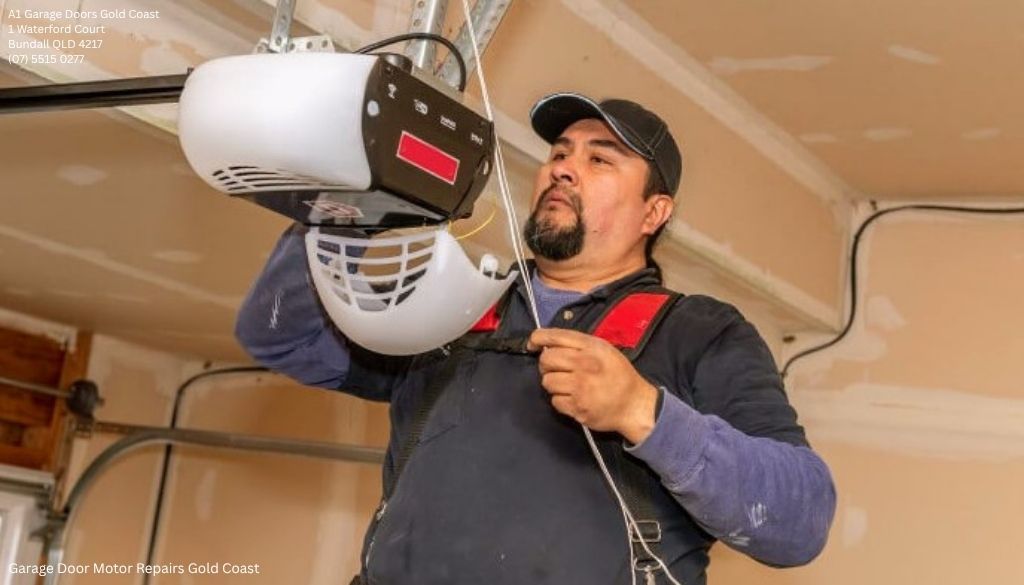
- Disconnect Power: Unplug the electric door opener or turn off power at the mains to avoid accidental activation. Use Protective Gloves and Eyewear: To protect against sharp edges and spring recoil. Activate Emergency Release: Engage the manual override or emergency release to detach the door from the opener motor, allowing manual control. Secure the Door: Make sure the door is properly supported to prevent sudden falls during repairs. Use Safety Eyes: Ensure safety sensors are functional to prevent injuries when testing the door after repairs.
How Can I Fix a Roller Garage Door That Won’t Open or Close?
If your roller door refuses to operate, start troubleshooting systematically:
- Check the Remote Control Batteries: Replace if low or dead. Inspect Door Sensors and Safety Eyes: Clean sensor lenses and verify alignment. Examine the Door Switch and Controller: Look for physical damage or wiring issues. Reset the Door Opener Motor: Many motors have a reset button—consult your manual. Inspect the Door Chain or Belt: Ensure it isn’t broken or overly loose. Test Manual Operation: Use the emergency release to open the door manually, indicating if the problem is motor-related or mechanical.
If the door motor or opener is faulty, replacement or professional servicing may be necessary.
How to Adjust or Replace Roller Door Springs?
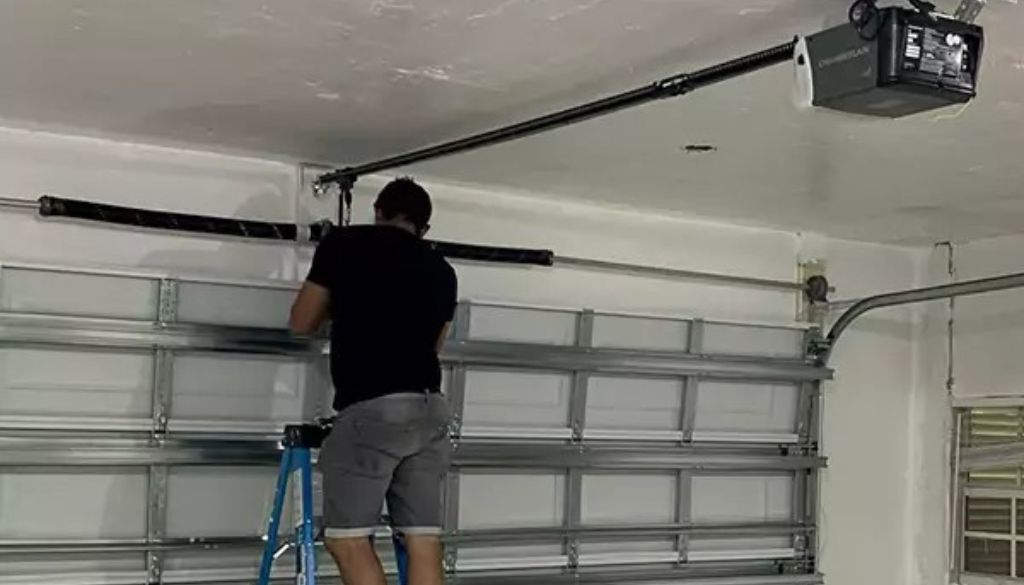
Door springs are critical for balancing the weight of the roller door. Proper tension adjustment ensures smooth opening and closing.
- Types of Springs: Roller doors typically use either torsion springs or extension springs, each requiring different handling techniques. Adjustment: Carefully increase or decrease spring tension using winding bars or adjustment tools to achieve proper door balance. Replacement Safety Tips: Springs store high tension and can cause serious injury if mishandled. Always wear protective gear, use appropriate tools, and follow manufacturer guidelines.
If you feel uncertain, seek professional assistance for spring repairs or replacements.
How Do I Repair or Replace Damaged Door Rollers and Tracks?
Damaged rollers or misaligned tracks cause noisy operation and door jams. To address these issues:
- Clean Tracks: Use a door track cleaner or mild detergent to clear dirt and debris from the door tracks. Lubricate Rollers and Tracks: Apply silicone-based or garage door-specific lubricant to reduce friction and noise. Replace Worn Rollers: Remove old rollers and install new door wheel assemblies or door pulleys compatible with your door model. Realign Tracks: Loosen mounting brackets and gently tap tracks back into proper alignment, ensuring smooth door travel.
How to Fix Door Cables and Door Hinges Problems?
Door cables and hinges support smooth door operation. Address common cable and hinge issues as follows:
- Signs of Cable Damage: Frayed strands, rust, or snapped cables usually require immediate replacement. Cable Replacement Process: Release spring tension first, then carefully remove broken cables and fit new ones, securing them properly to door brackets and drums. Hinge Inspection: Check door hinges and hinge pins for wear or rust. Lubricate Hinges: Use light machine oil or spray lubricant on hinge pins to maintain smooth pivoting action.
How to Improve Roller Garage Door Performance and Reduce Noise?
Performance and noise reduction contribute to door longevity and home comfort. Consider these tips:
- Regular Door Lubrication: Lubricate all moving parts including rollers, hinges, springs, and tracks monthly. Replace Door Seals: Weather seals prevent drafts and dampness while reducing rattling noises. Add Door Insulation: Insulating steel or aluminium door panels improves energy efficiency and soundproofing. Check Door Alignment and Balance: Misalignment causes uneven pressure and noise – realign tracks and adjust spring tension as needed. Secure Loose Hardware: Tighten loose nuts, bolts, and brackets to prevent rattles and vibrations.
When Should I Replace Door Panels or Door Weather Seals?
Replacement is advisable when damage or wear affects door function or appearance:
- Door Panel Replacement: Indicated by large dents, corrosion, or structural damage compromising security and operation. Weather Seal Replacement: When seals become cracked, brittle, or missing, leading to water leaks, drafts, or pest entry. Material Considerations: Steel doors offer robustness but may rust; aluminium doors resist rust but can dent easily—choose matching materials for replacements.
Can I Repair an Electric Roller Garage Door Myself?
DIY electric roller door repair can save money but comes with risks:
- Pros: Basic troubleshooting like sensor resets, remote battery changes, or cleaning can be done safely. Cons: Complex electrical faults, motor repairs, or wiring issues require specialised knowledge and tools. When to Call Professionals: If you encounter persistent motor failure, electrical shorts, or unsafe conditions, engaging licensed garage door technicians is essential.
What Tools and Garage Door Parts Do I Need for Roller Door Repairs?
Having the right tools and parts prepares you for most common repairs:
- Essential Tools: Screwdrivers, adjustable wrenches, pliers, hammer, socket sets, ladder, and lubricant spray. Garage Door Parts: Replacement door springs, cables, rollers, door wheel assemblies, pulleys, weather seals, and door repair kits containing specialist hardware. Quality Recommendations: Invest in OEM or high-quality aftermarket parts compatible with your door’s make and model to ensure reliability and safety.
How to Perform Routine Garage Door Maintenance to Prevent Repairs?
Regular maintenance extends your roller door’s lifespan and minimises breakdowns:
- Monthly Cleaning: Remove dust, dirt, and cobwebs from door surfaces, rollers, and tracks. Lubrication: Apply appropriate lubricants to all moving components every 3-6 months. Inspection Checklist: Check for signs of wear on springs, cables, rollers, hinges, door balance, and alignment. Tighten Hardware: Secure loose screws, bolts, and brackets to prevent rattles and misalignment.
What Are the Safety Precautions to Follow When Repairing Roller Garage Doors?
Prevent accidents with these crucial safety measures:
- Use Protective Equipment: Gloves, goggles, and sturdy footwear reduce injury risk. Disconnect Power Before Repairs: Avoid accidental motor activation. Engage Emergency Release: Allows manual door control. Never Work Alone: Have a helper available in case of emergencies. Avoid Handling Springs Without Expertise: High tension can cause serious harm—leave to professionals if unsure.
How to Upgrade Your Roller Garage Door for Better Security and Convenience?
Modern upgrades enhance safety and usability:
- Install Advanced Door Locks: Heavy-duty locks or smart locks improve security. Use Smart Garage Door Openers: Integration with apps allows remote operation and monitoring. Add Keypads and Door Controllers: Keyless entry systems improve convenience and access control. Upgrade Door Sensors: Latest safety eyes and obstruction detection technologies increase safety.
Frequently Asked Questions About Roller Garage Door Repairs
Q1: How long does it typically take to repair a roller garage door?
A1: Repair time varies depending on the issue. Minor tasks such as lubrication, sensor cleaning, or realignment often take under an hour. More complex repairs like spring or cable replacements may require 1–2 hours.
Q2: Can I adjust the door tension myself?
A2: Yes, you can adjust door spring tension, but it must be done very carefully to avoid injury from spring recoil. Always follow manufacturer instructions and use the correct tools. If uncertain, consult a professional.
Q3: What causes a roller door to become noisy?
A3: Common causes include insufficient lubrication, misaligned tracks, worn-out rollers, loose brackets, or damaged hinges. Regular maintenance helps prevent noisy operation.
Q4: Is it safe to repair garage door springs on my own?
A4: Garage door springs are under high tension and can be dangerous. DIY spring replacement is fix garage doors only recommended for experienced individuals equipped with proper tools and knowledge. For most people, professional service is safer.
Q5: How do I know if my garage door opener motor is faulty?
A5: Signs include the door not responding to remote control commands, slow or irregular door movement, grinding noises from the motor housing, or the motor failing to engage at all.
In conclusion, understanding the common problems, preparing safely, and following correct repair procedures can significantly improve the performance and lifespan of your roller garage door. While many basic repairs and maintenance tasks can be handled by keen DIYers, always prioritise safety and do not hesitate to engage qualified professionals for complex or hazardous repairs. Keep your garage door running smoothly and securely to protect your property and enhance convenience every day.